
Nepal is one of the world’s most iconic trekking destinations, offering breathtaking Himalayan views, rich cultural encounters, and unforgettable adventures. However, trekking in high-altitude regions also comes with unique challenges. Proper preparation and awareness are essential to ensure a safe, enjoyable, and successful journey. Whether you are a beginner or an experienced trekker, following the right safety practices can make a significant difference in your Himalayan experience.
1. Acclimatization is Crucial
One of the most important safety aspects of trekking in Nepal is proper acclimatization. As you ascend to higher altitudes, the oxygen level decreases, increasing the risk of altitude sickness. It is essential to follow a gradual ascent, take rest days when needed, and allow your body to adjust. Symptoms such as headache, dizziness, nausea, or fatigue should never be ignored. If symptoms worsen, descending to a lower altitude is the safest solution.
2. Stay Hydrated and Eat Properly
Dehydration can increase the risk of altitude sickness and fatigue. Drink plenty of clean water throughout the trek and avoid excessive caffeine or alcohol. Eating balanced meals rich in carbohydrates helps maintain energy levels and supports your body in adapting to high altitudes.
3. Choose a Reliable and Licensed Trekking Company
Safety greatly depends on the quality of your trekking operator. Always choose a licensed and experienced company like Explore Nepal, which provides trained guides, proper route planning, and emergency support. Professional guides are essential for navigation, safety management, and handling altitude-related issues.
4. Be Prepared with the Right Gear
Proper trekking equipment is essential for safety and comfort. Essentials include sturdy trekking boots, warm layered clothing, waterproof jackets, gloves, hats, and a quality sleeping bag. Weather in the Himalayas can change quickly, so being well-equipped helps you stay protected in all conditions.
5. Take Travel Insurance Seriously
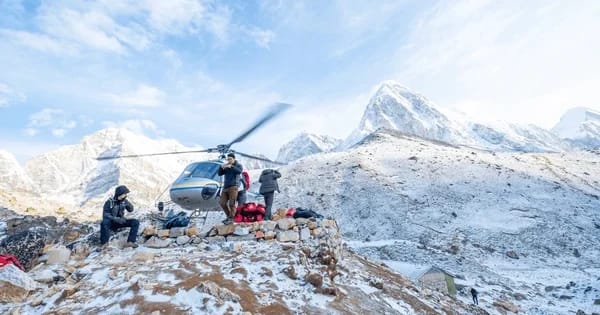
Comprehensive travel insurance is mandatory for trekking in Nepal. It should cover medical emergencies, helicopter evacuation, trip cancellations, and high-altitude trekking risks. In remote areas, evacuation can be costly without proper insurance coverage.
6. Listen to Your Guide
Your trekking guide is your most valuable resource during the journey. Always follow their instructions regarding altitude, weather conditions, and route changes. Their experience and local knowledge play a key role in ensuring your safety.
7. Be Aware of Weather Conditions
Mountain weather is unpredictable and can change rapidly. Always check weather updates and be prepared for rain, snow, or strong winds. Avoid trekking during extreme weather conditions and remain flexible with your itinerary.
8. Maintain a Slow and Steady Pace
Trekking in Nepal is not a race. Walking at a steady, comfortable pace helps conserve energy and reduces the risk of exhaustion and altitude sickness. Listen to your body and take breaks whenever necessary.
9. Respect Local Environment and Culture
Safety also includes responsible behavior. Respect local traditions, avoid littering, and follow sustainable trekking practices. Preserving the natural environment ensures a safer and more enjoyable experience for everyone.
10. Emergency Preparedness
Always carry a basic first aid kit and emergency contact information. In case of serious illness or injury, immediate communication with your guide or support team is essential. Helicopter evacuation may be required in extreme situations.
Final Thoughts
Trekking in Nepal is a life-changing adventure, but it requires preparation, awareness, and responsible behavior. By following these safety tips, you can fully enjoy the beauty of the Himalayas while staying safe and protected. With the right planning and a trusted partner like Explore Nepal, your journey becomes not only memorable but also secure and stress-free.