
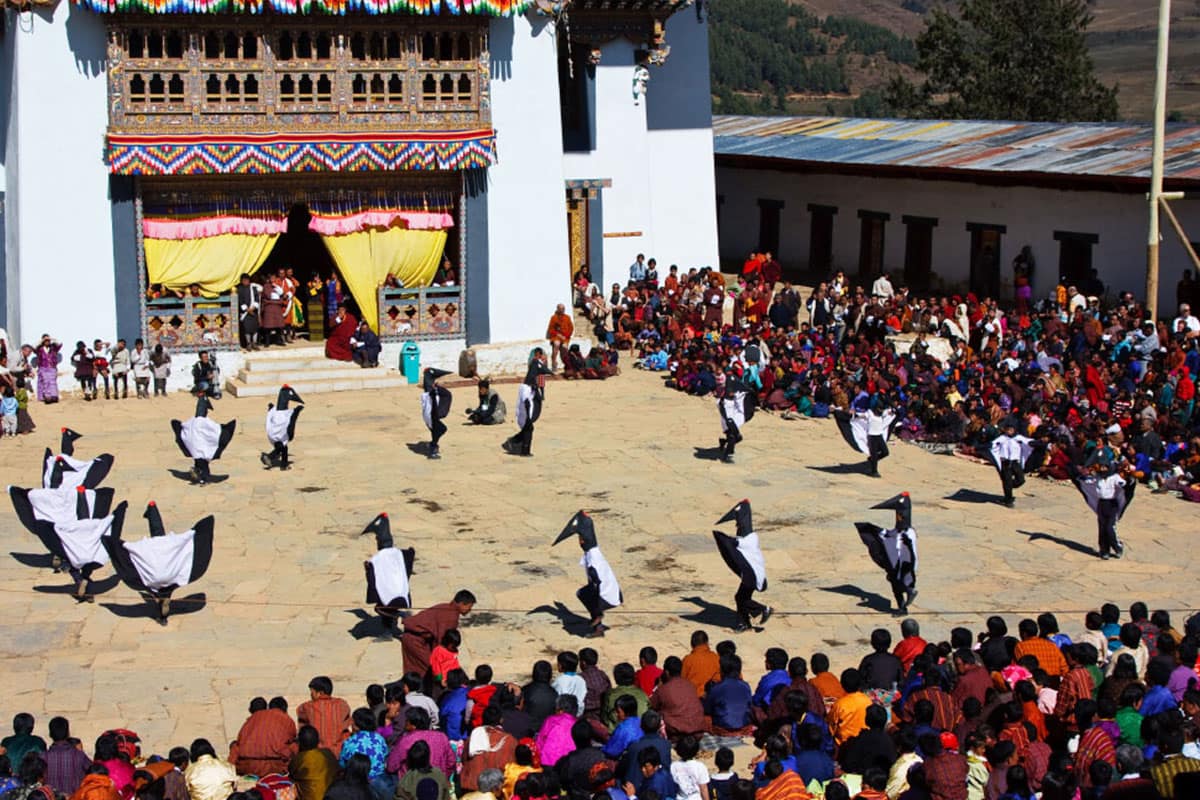
Trekking in Nepal is not only about walking through majestic Himalayan trails—it is also a deep cultural journey into the heart of ancient traditions, diverse ethnic communities, and spiritual heritage. Every step on the trail offers an opportunity to connect with local lifestyles, experience authentic hospitality, and understand the rich cultural fabric that makes Nepal truly unique.
Warm Hospitality of Local Communities
One of the most memorable cultural experiences while trekking in Nepal is the warm hospitality of local people. Whether you stay in a teahouse or pass through small mountain villages, you will be welcomed with genuine smiles and kindness. Locals often greet trekkers with “Namaste,” reflecting respect and friendliness that immediately makes you feel at home in the Himalayas.
Traditional Village Life
Trekking routes in Nepal pass through remote villages where life has remained traditional for centuries. You can observe stone-built houses, terraced farmlands, and simple lifestyles closely connected to nature. Daily activities such as farming, animal herding, and local craftsmanship give you a true insight into rural Himalayan living.
Buddhist Monasteries and Spiritual Culture
Nepal is deeply influenced by Buddhism and Hinduism, and trekking routes often include ancient monasteries, stupas, and prayer wheels. You may hear monks chanting prayers or see colorful prayer flags fluttering in the mountain wind. Visiting monasteries along trails like Everest, Langtang, or Manaslu offers a peaceful and spiritual experience that adds meaning to your journey.
Local Festivals and Traditions
If your trekking journey coincides with local festivals, you will witness vibrant celebrations filled with music, dance, and traditional rituals. Festivals like Dashain, Tihar, Mani Rimdu, and Lhosar reflect Nepal’s cultural diversity and spiritual richness. These celebrations offer trekkers a rare opportunity to experience Nepalese culture in its most joyful form.
Authentic Local Cuisine
Food is an important part of cultural discovery in Nepal. During your trek, you will taste traditional meals such as Dal Bhat (rice, lentils, and vegetables), momo (dumplings), thukpa (noodle soup), and local herbal teas. Sharing meals with locals in teahouses is a simple yet meaningful way to connect with Himalayan culture.
Ethnic Diversity Along the Trails
Nepal is home to many ethnic groups such as Sherpa, Tamang, Gurung, Rai, and Magar communities. Each group has its own language, traditions, clothing, and cultural identity. Trekking routes like Everest Base Camp and Annapurna allow you to experience this incredible diversity up close.
Living Heritage of the Himalayas
The trekking routes of Nepal are not just paths through mountains—they are living cultural corridors where ancient traditions continue to thrive. From sacred mountain beliefs to community-based lifestyles, every region tells a unique story shaped by centuries of heritage.
Final Thoughts
Cultural experiences are an essential part of trekking in Nepal, making each journey more meaningful and unforgettable. Beyond the stunning mountain landscapes, it is the people, traditions, and spiritual atmosphere that truly define the Himalayan experience.
With Explore Nepal, you don’t just trek—you immerse yourself in authentic cultural encounters that stay with you long after your journey ends.